All about Lab Grown Diamonds
Table of ContentsThe Ultimate Guide To Lab Grown DiamondsThe 2-Minute Rule for Lab Grown DiamondsUnknown Facts About Lab Grown DiamondsThe Best Strategy To Use For Lab Grown Diamonds
As you travel closer to the Earth's core, stress and temperature level increase, which creates the best stove for carbon to be exchanged ruby (rubies are the only gems to be made from purely one element). Through a huge volcanic eruption, these rubies were delivered to the Planet's surface. It's estimated this procedure was relatively quick (more than likely over the course of numerous hours), which enabled the rubies to stay intact without melting.The short solution: carats measure the mass of stones, karats measure the purity of gold. Carat: 1 carat amounts to 0.2 grams, about the weight of a paperclip (next time you see an image of Mariah Carey's 35 carat weight involvement ring, just think of the concern of bring 35 paper clips around your finger each day).
Below are some of the vital benefits of laboratory expanded diamonds and lab grown ruby jewelry:.
The Single Strategy To Use For Lab Grown Diamonds
Put simply, all-natural or earth-mined diamonds are crafted over countless years beneath the Planet's crust from pure carbon incorporated with stress and heat. Creating rubies in a lab requires the exact same procedure, just fine-tuned to occur over a much smaller sized period in a far more controlled setting.
Whereas earth-mined diamonds are unusual and limited and have a tendency to enhance in rate over time, lab rubies are easily available., like lab-grown ruby rings, they will not be a great fit for your requirements.
They might think that the cons of lab-grown diamonds outweigh the pros. Problems, wars, and civils rights concerns are all come together with the diamond market. That claimed, the ruby sector does give revenue to third-world nations. Some might argue that, consequently, getting a lab-made diamond additionally features its moral considerations, as doing so takes income away from those entailed in the all-natural diamond sector who may need it most.
Traditional diamonds count on the Planet's problems to identify their quality or lack thereof. In a laboratory, producers can directly control a ruby's top quality.
Everything about Lab Grown Diamonds
You can easily locate colored, synthetic diamonds on the (fairly) economical side as well click here as details cuts that would be pricier if you were shopping for a mined ruby only. That rarely implies it isn't worth shielding.
natural diamonds is that the last is extracted from natural deposits in the Planet while the former is made in a lab using controlled setups. Their quality is greatly the very same. While the distinction between lab-grown and natural diamond options are minimal when it comes to high quality, some of the downsides of lab-grown rubies include the reality that the rock will drop with time and, to some, a lack of emotional value that's usually related to extracted diamonds
This expense difference can be connected to the streamlined manufacturing procedure and the avoidance of expenditures connected with standard mining. The Controlled Setting in Which Laboratory Grown Diamonds Are Produced Permits for Consistent High Quality.
Convenience in Layout - Laboratory Grown Diamonds Offer Developers and Consumers a Versatile Palette to Create Distinct and Cutting-edge Precious Jewelry Designs - Lab Grown Diamonds. Lab Rubies Often Come with A More Clear Supply Chain.
The Best Strategy To Use For Lab Grown Diamonds
Market Perception - Regardless Of Their Identical Physical Properties, Laboratory Diamonds Might Face Tests in Market Perception. Some Consumers Still Perceive Natural Diamonds as Having Higher Worth and Reputation. The Production of Lab-Grown Diamonds Can Be Energy-Intensive, Specifically in Methods Like High Pressure Heat (hpht) and Chemical Vapor Deposition (cvd).
All-natural Diamonds Are Formed Over Millions of Years Deep Within the Planet, Adding to Their Perceived Rarity. Lab-Grown Diamonds, Despite Their Similar Properties, Might Not Carry the Same Rarity Aspect, Impacting Their Regarded Worth for Some Consumers. Influence on Diamond-Dependent Economies - the Change In The Direction Of Laboratory Grown Diamonds Might Have Economic Ramifications for Nations and Neighborhoods that Rely On The Diamond Mining Sector.
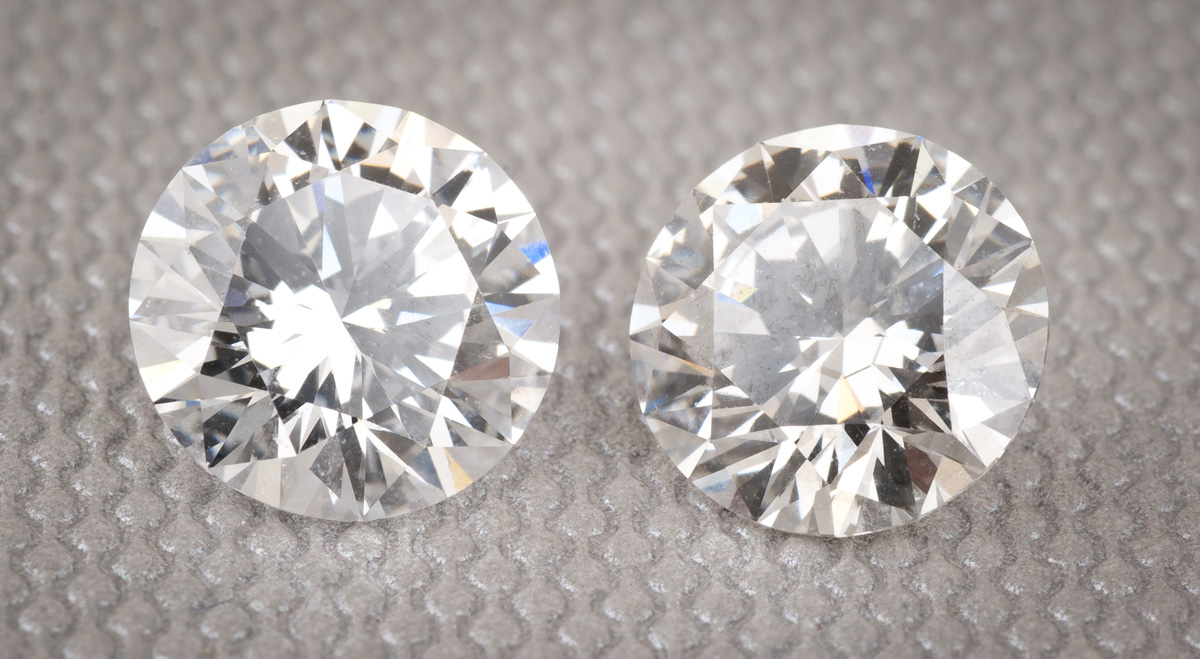
Laboratory Rubies Are of Equal Top Quality to Natural Diamonds in Terms of Solidity, Radiance, and Clearness - Lab Grown Diamonds. Yes, Lab Diamonds Glimmer Just Like All-natural Diamonds. Their Brilliance and Glimmer Are a Result of Their Cut and The Method Light Interacts with Their Elements.